
An Eating Disorder Dietitian’s Take On The Dietary Guidelines
The new dietary guidelines are out and according to the head of HHS, they are supposed to be groundbreaking. No more BS recommendations from past guidelines fueled by corporate greed. This will solve our nations health problems! Apparently…
Let’s take a closer look!
What the Guidelines Get Right
1. Emphasizing Whole Foods Over Ultra‑Processed Foods
Overall, the recommendation to prioritize whole foods over ultra‑processed foods is reasonable and unsurprising. This has always been the general recommendation of evidence based health professionals. Whole foods tend to be more nutrient‑dense and supportive of long‑term health.
That said, this isn’t new information and it’s certainly not groundbreaking.
2. Increasing Protein Intake (Within Reason)
I’m generally on board with the modest increase in protein recommendations. We’re not talking about extreme intakes like 200 grams per day, but rather moving from around 50 grams to closer to 75 grams for many adults.
For most people, this can support muscle maintenance, satiety, and overall health.
3. Encouraging More Fruits and Vegetables
No controversy here. Emphasizing produce is great. Fruits and vegetables provide fiber, micronutrients, and phytochemicals that support health across the lifespan.
That said, I do wish the conversation didn’t stop at just “eat more produce.” Which brings me to my next point.
4. A Missed Opportunity: Fiber
One thing I wish the guidelines emphasized more clearly is fiber. Most people are not getting enough, and fiber plays a huge role in gut health, blood sugar regulation, cardiovascular health, and overall well‑being.
Fiber‑rich foods include fruits, vegetables, whole grains, beans, lentils, nuts, and seeds and and highlighting fiber could have added more clarity and value to the recommendations.
Where I Have Concerns
5. Fat Recommendations Feel Inconsistent
Fats are essential. Our bodies need them, and I’m especially glad to see continued support for omega‑3 fatty acids.
However, recommending foods like butter and beef tallow feels inconsistent with the guideline to keep saturated fat under 10% of total intake. Research consistently shows that unsaturated fats such as olive oil and many seed oils are more supportive of heart health than saturated fats like butter.
This doesn’t mean butter can never be eaten. But from a health perspective, it shouldn’t be positioned as a primary fat source.
6. Carbohydrates Are Undervalued
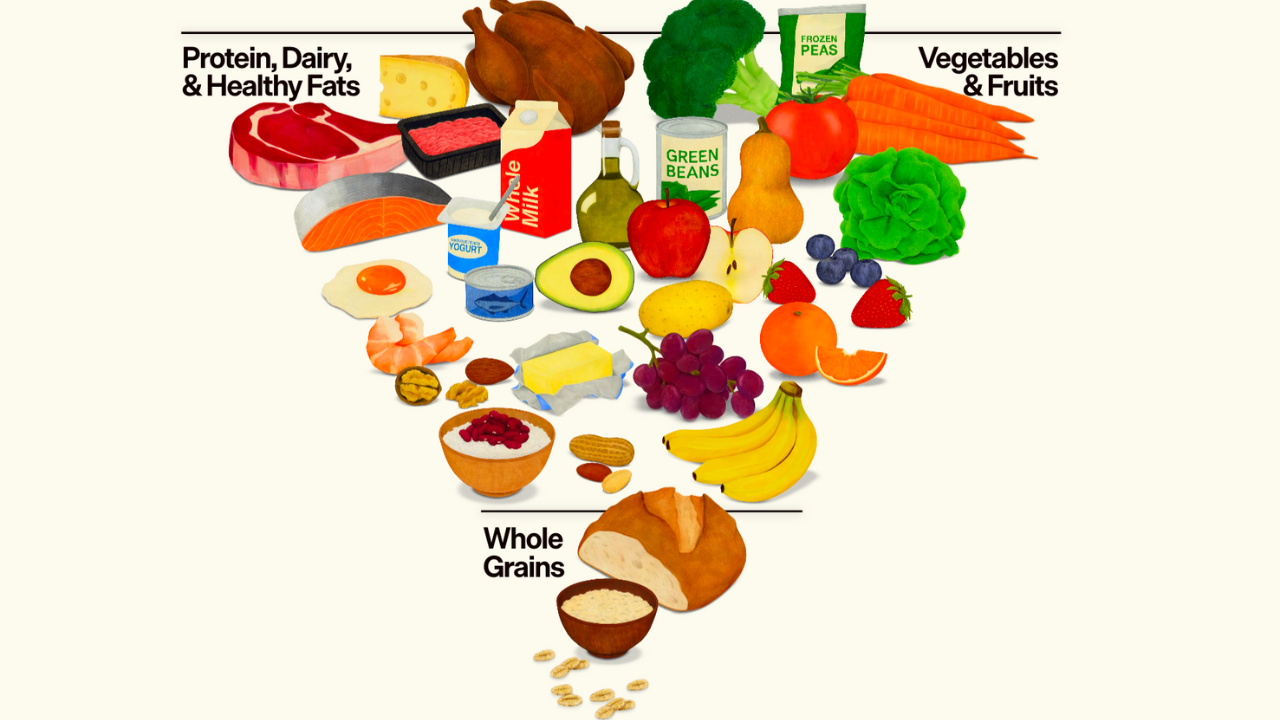
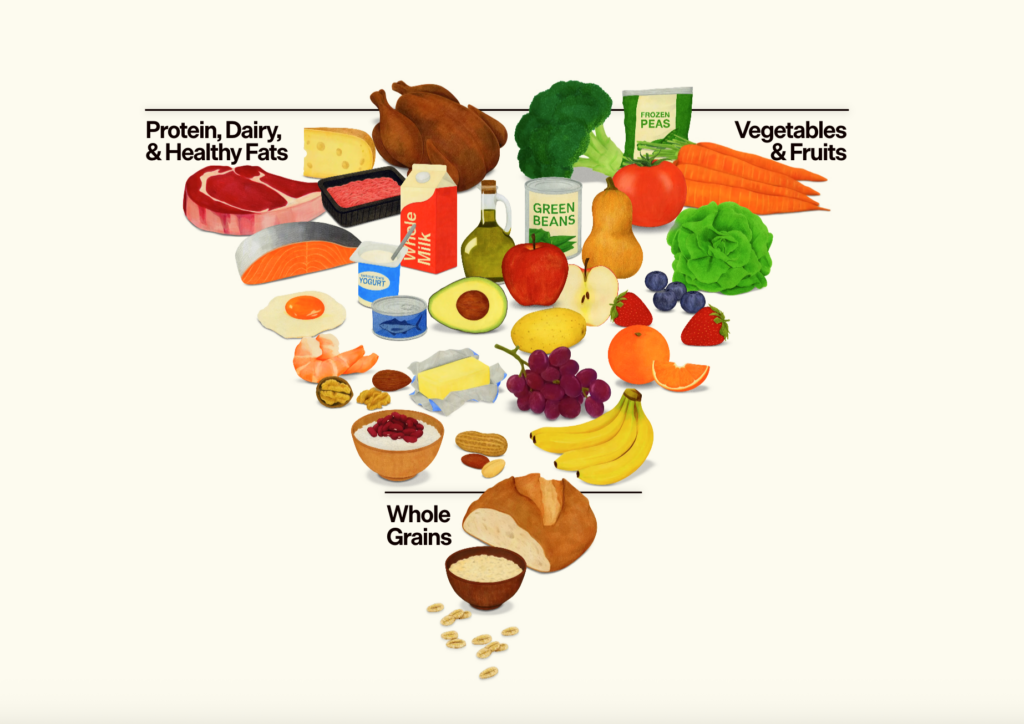
Carbohydrates are essential for energy, brain function, and physical performance. I was disappointed to see carbs represented as a relatively small portion of the dietary framework while animal products take up such a large share.
Additionally, the suggested range of 2–4 servings of grains per day feels low for many people.
It’s also important to say this clearly: refined grains can absolutely have a place in a balanced diet.
Foods like white rice are cultural staples across the world. Simple carbohydrates are often essential for athletes. Demonizing refined grains ignores both cultural context and real‑world nutritional needs.
Ultra‑Processed Foods: Let’s Talk About the Language
I agree with the general recommendation to reduce highly processed foods overall. Prioritizing whole foods most of the time can support health.
But ultra‑processed foods are not “bad.” Eating an Oreo is not a death sentence. And no credible nutrition professional has ever suggested that ultra‑processed foods should make up the bulk of someone’s diet.
This is where language really matters.
From a nutrition science standpoint, these guidelines are largely fine. Though I do think they emphasize animal products more than necessary.
From an eating disorder standpoint, some of the messaging feels unnecessarily rigid and fear‑based. While guidelines are meant to be straightforward, overly black‑and‑white language can fuel guilt, shame, and disordered eating behaviors.
We know that fear‑mongering around food doesn’t improve health outcomes and it does increase eating disorder risk.
The Bigger Issue the Guidelines Don’t Address
Ultimately, none of this feels revolutionary.These guidelines don’t address the why behind food choices. They don’t solve the systemic barriers that shape how people eat, things like:
- Access and affordability
- Time constraints
- Chronic stress
- Weight stigma and diet culture
- Lack of nutrition education that’s actually practical
Without addressing these root causes, changing food pyramids and macro ratios can only go so far.
Final Thoughts
If you’re reading the new dietary guidelines and feeling overwhelmed, here’s what I want you to take away:
- You don’t need to eat perfectly to be healthy
- Whole foods are supportive, but flexibility matters
- Carbs are not the enemy
- Fear‑based food rules cause harm
Health isn’t about rigid compliance. It’s about nourishment, context, and sustainability, both physically and mentally.
And no set of guidelines should ever come at the cost of your relationship with food.